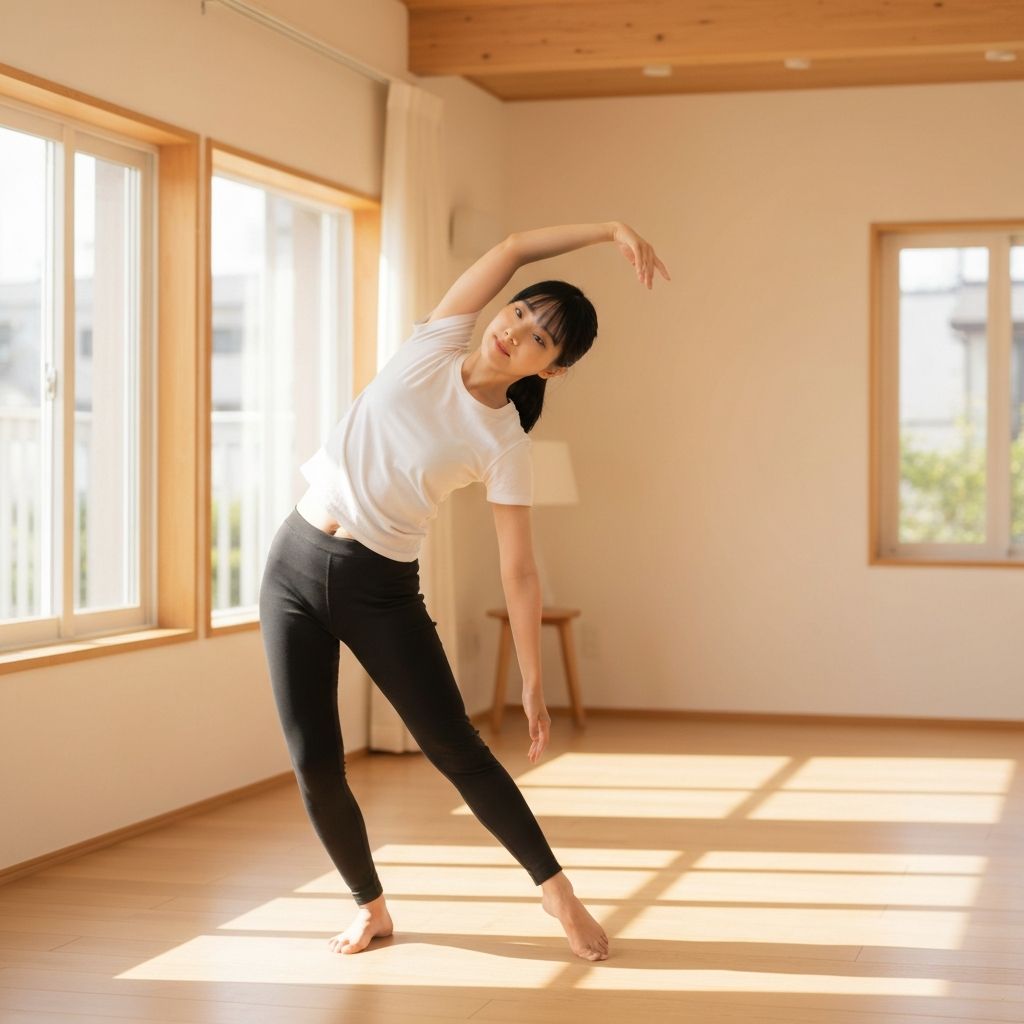
Build Movement Into Your Daily Life
Explore educational resources on daily stretching, mindful mobility, and balanced nutrition. Develop consistent movement habits at your own pace.
Explore Movement GuidanceBenefits of Daily Stretching
Regular stretching can support joint mobility and help maintain flexibility as part of your daily routine. When performed consistently, gentle stretching movements encourage better range of motion and can contribute to overall physical comfort.
Daily stretching routines work best when approached gradually and mindfully. Focus on breathing, proper form, and listening to your body's signals throughout each movement.
Dive deeper into the topic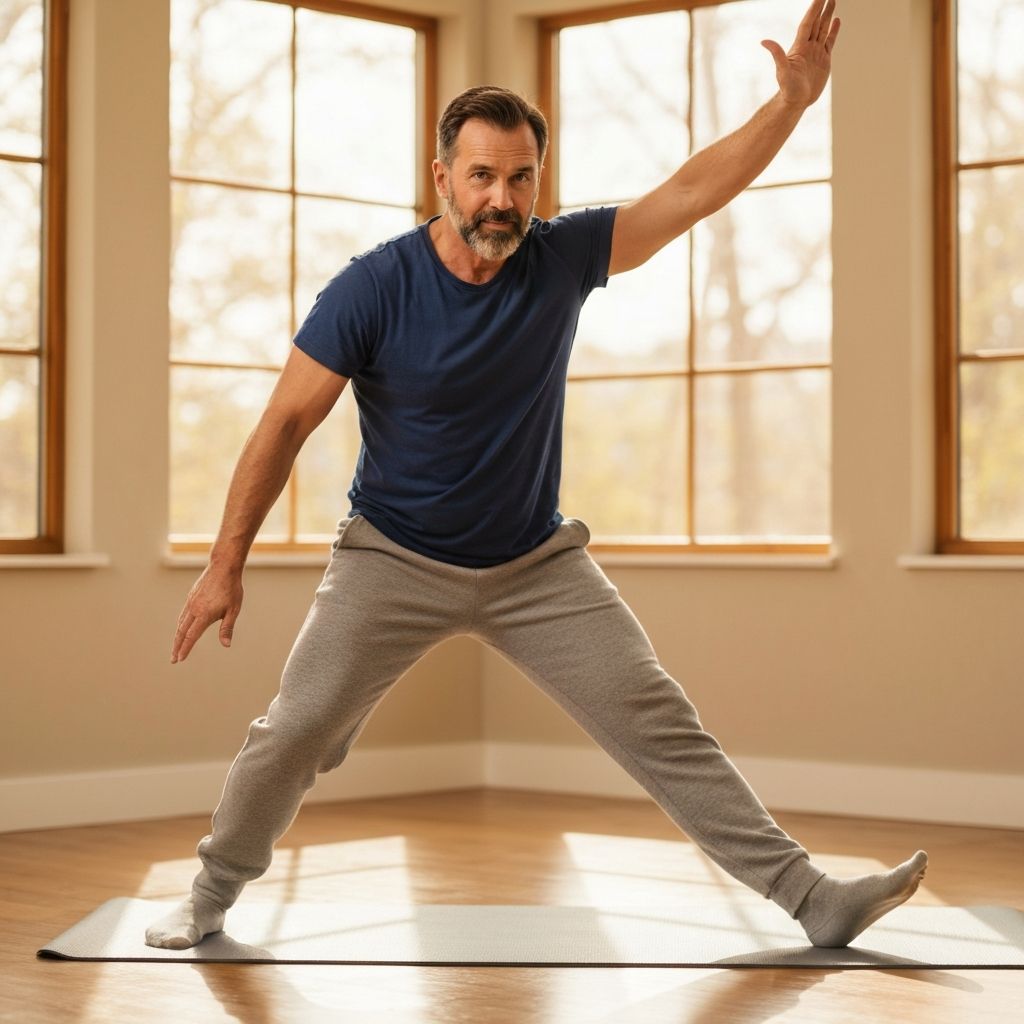
Mobility as Part of Everyday Life
Mobility refers to how freely your joints move through their full range. Incorporating simple mobility exercises into your daily routine can support functional movement patterns you use every day.
Think of mobility work as maintenance for your body. Small, consistent efforts like shoulder rolls, hip circles, or ankle rotations can be integrated throughout your day.
Unpack the concept further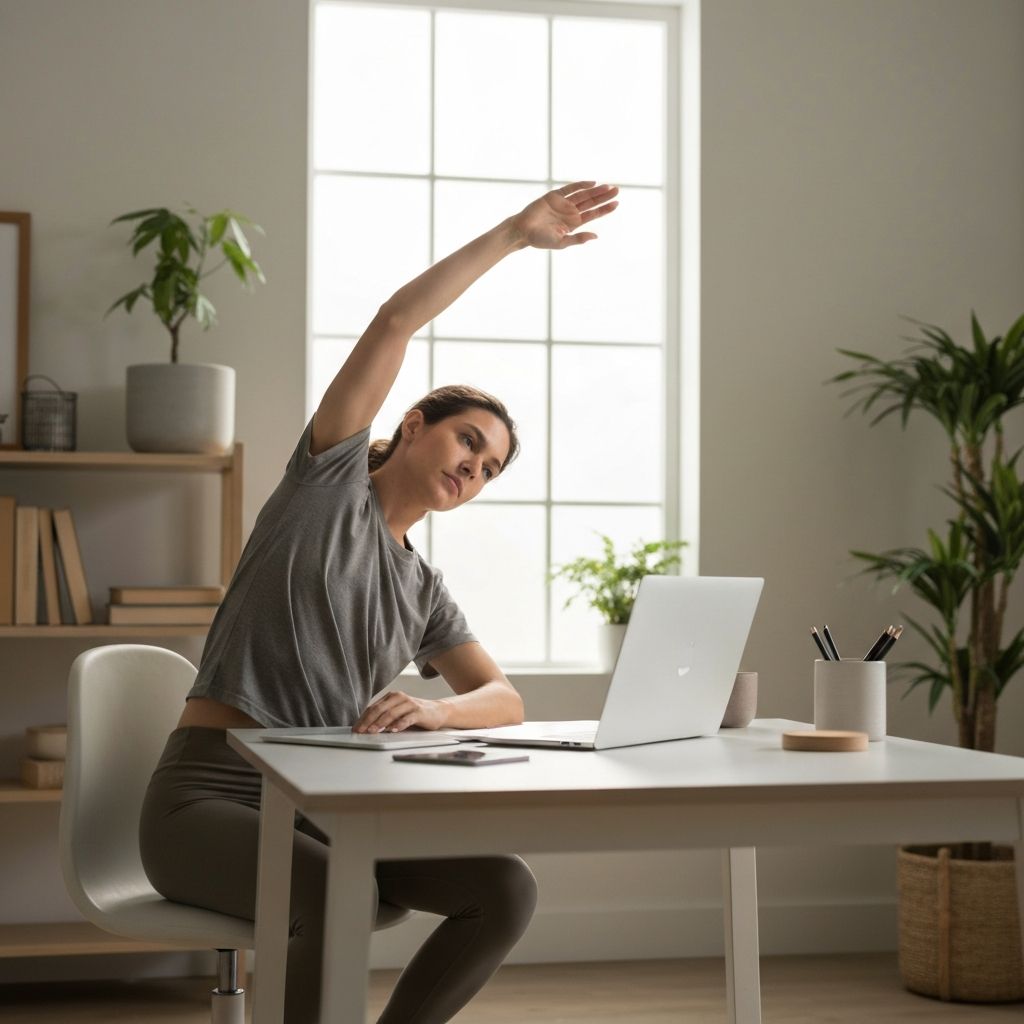
A Gentle Start for Active Days
Beginning your day with light movement can help transition your body from rest to activity. A simple 5-10 minute routine of gentle stretches and mobility work sets a mindful tone for the hours ahead.
Consider starting with neck rolls, shoulder shrugs, forward folds, and gentle twists. These foundational movements require no equipment and can be performed in any space.
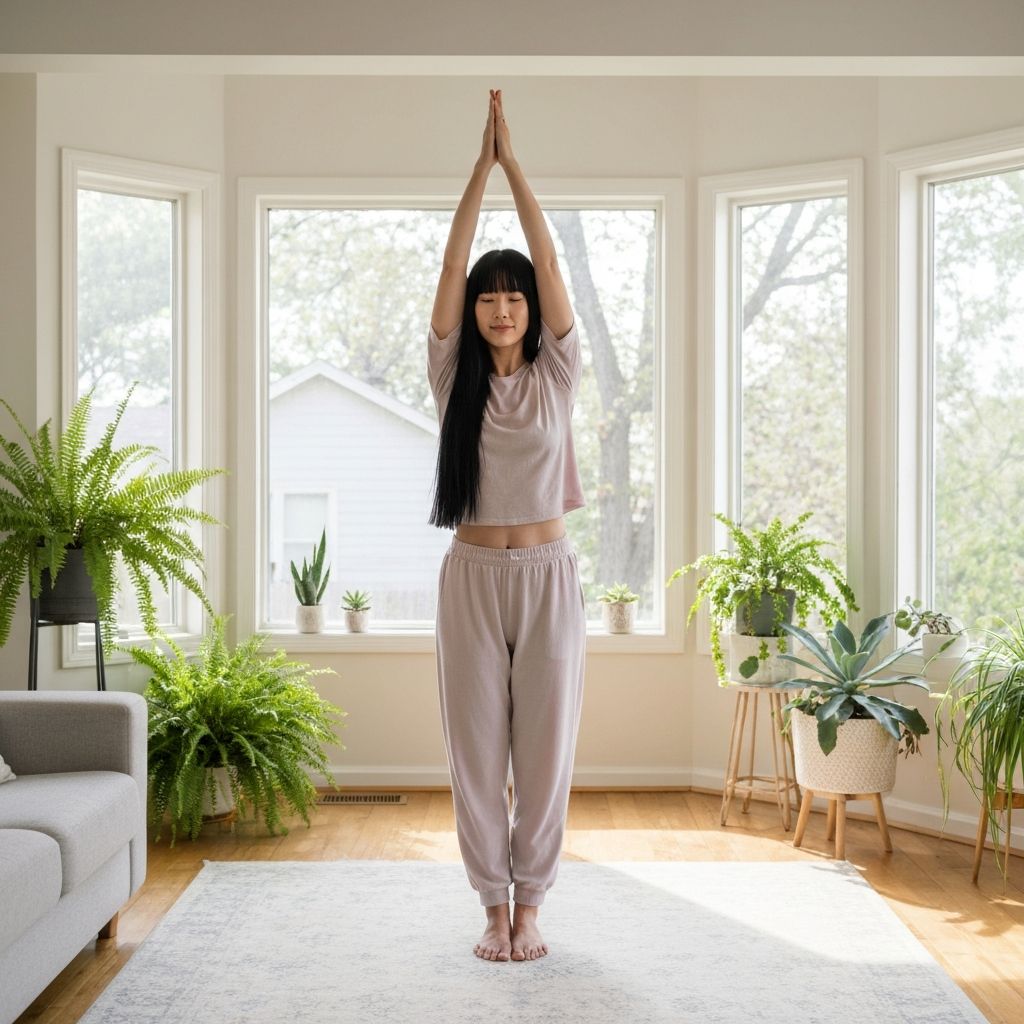
Movement and Mindful Nutrition
Physical activity and nutrition work together to support an active lifestyle. Eating balanced meals with adequate nutrients provides the energy your body needs for daily movement.
Consider how timing your meals and snacks around your activity can support consistent energy levels. Hydration also plays a key role in maintaining comfortable movement throughout the day.
Expand your understanding
The Role of Regularity in Physical Habits
Consistency matters more than intensity when building sustainable movement habits. Regular, moderate activity tends to be more maintainable than sporadic bursts of exercise.
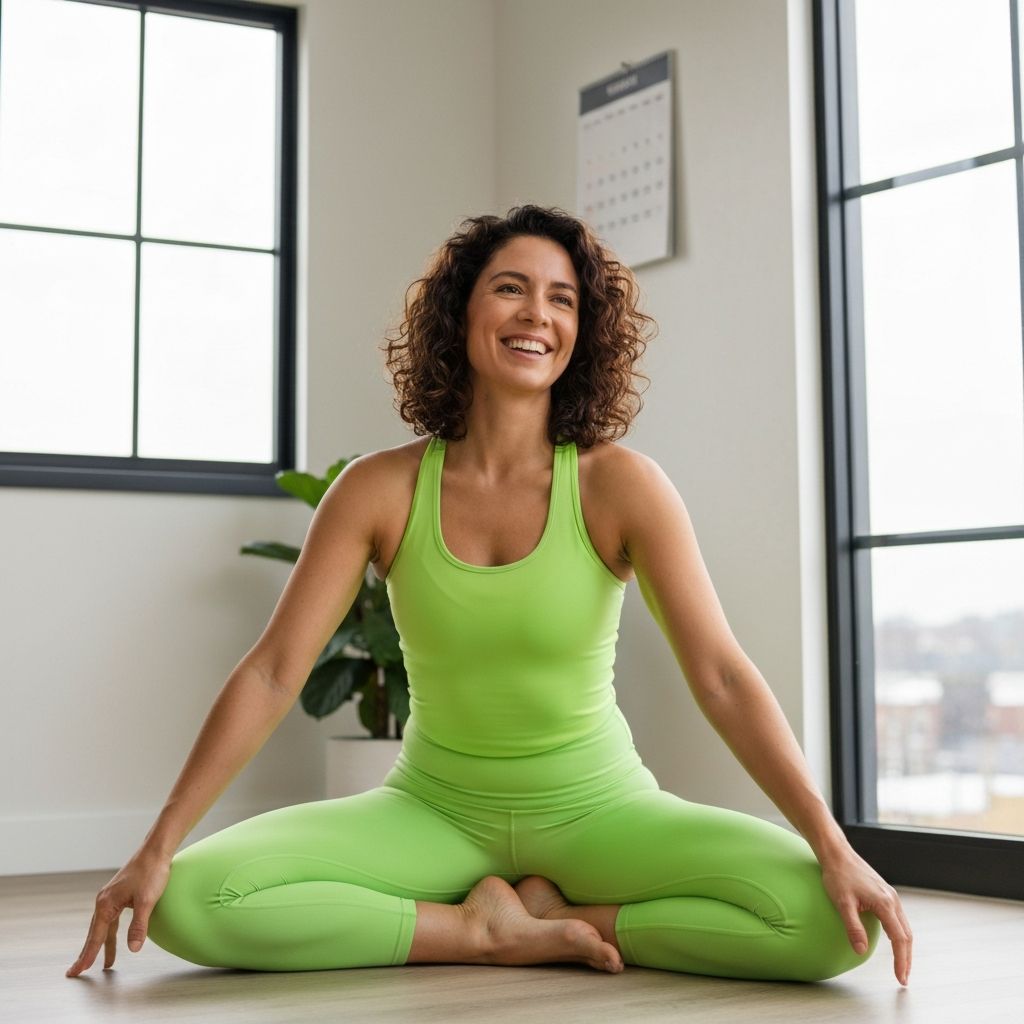
Setting aside specific times for movement each day helps establish routine. Whether it's morning stretching, midday mobility breaks, or evening wind-down exercises, regularity builds habit.
Track your practice not to measure performance, but to observe patterns and maintain consistency. Notice which times of day feel most natural for movement.
Breathing During Exercise
Proper breathing supports movement and helps maintain awareness during physical activity. Exhaling during exertion and inhaling during release is a general guideline for most exercises.
Holding your breath during stretching or exercise can create unnecessary tension. Focus on smooth, steady breathing to stay present and relaxed throughout your practice.

Posture Control in Daily Life
Awareness of posture throughout your day can influence comfort and ease of movement. Notice how you sit, stand, and move during routine activities like working at a desk or carrying items.
Small adjustments like keeping your shoulders relaxed, maintaining a neutral spine, and distributing weight evenly can make daily activities feel more comfortable.
Follow the explanation step-by-step
Basic Exercises for Body Stability
Stability exercises help develop control and balance in your movements. Simple practices like standing on one leg, plank holds, or slow controlled movements build body awareness.
These foundational exercises require focus and patience. Start with shorter durations and gradually build as your control improves.
Guidance for Home Practice
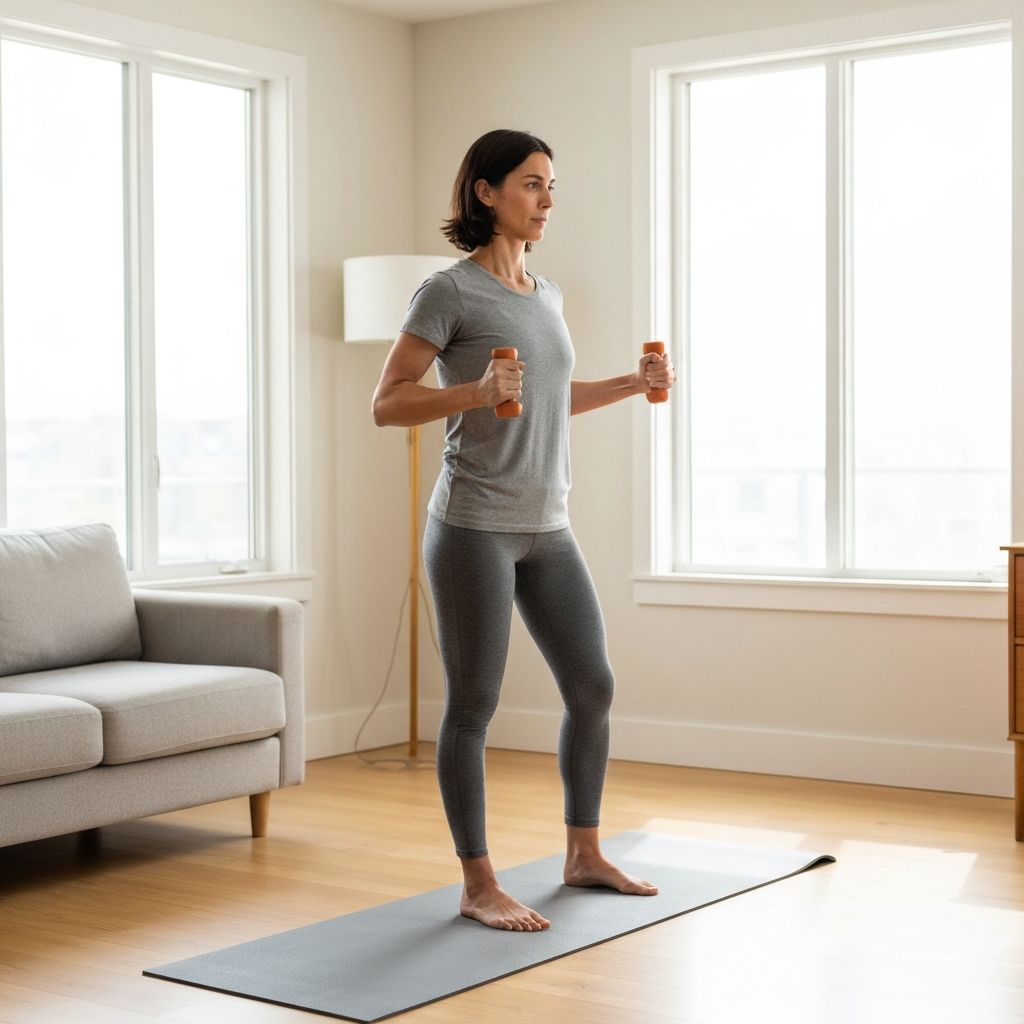
Practicing at home offers flexibility and convenience. Create a comfortable space with enough room to move freely, good lighting, and minimal distractions.
Movement consultants suggest starting with basic routines and progressively exploring different exercises as you become familiar with the fundamentals. Educational videos and written guides can support your home practice.

Common Stretching Considerations
Understanding what to avoid can help you develop safer stretching habits.
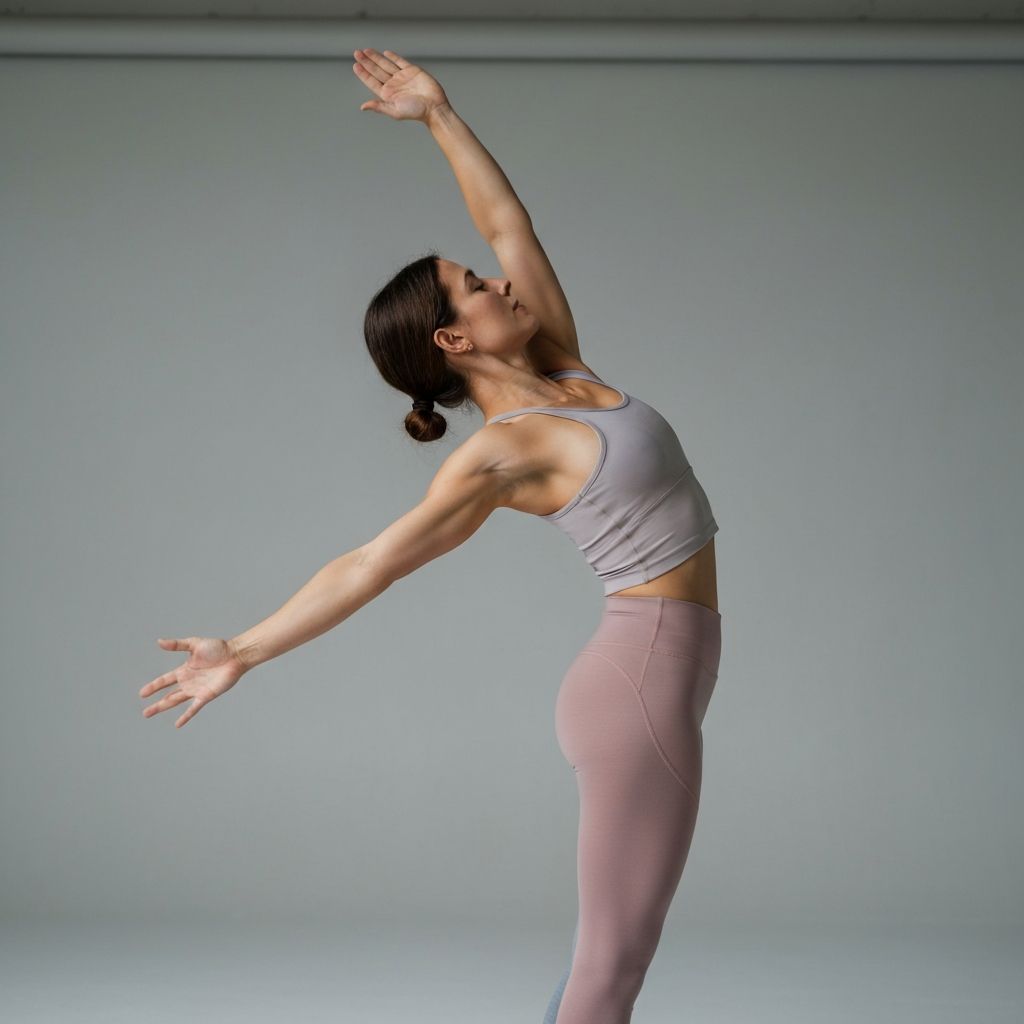
Bouncing During Stretches
Bouncing or jerking movements can strain muscles. Hold stretches steadily and smoothly.
Pushing Into Discomfort
Stretching should feel like gentle tension, not sharp sensations. Stay within a comfortable range.
Skipping Warm-Up
Light movement before deeper stretching prepares your body. A brief walk or gentle movements help.
Holding Your Breath
Remember to breathe throughout each stretch. Breathing helps you relax and move more comfortably.
Activity Without Overload
Sustainable physical activity respects your current capacity and builds gradually over time. Avoid the temptation to push beyond what feels manageable in pursuit of rapid changes.
Rest days are part of any balanced movement routine. Your body adapts and recovers during rest periods, making them essential to long-term consistency.

Movement as Daily Balance
Physical activity is one component of a balanced lifestyle alongside rest, nutrition, and mental well-being. Movement complements these other areas rather than dominating them.
Consider how movement fits into your broader daily rhythm. Brief stretching breaks, walking meetings, or evening mobility work can all contribute to an active day.

Educational Materials on Movement
Access structured information about flexibility, mobility, and body awareness.
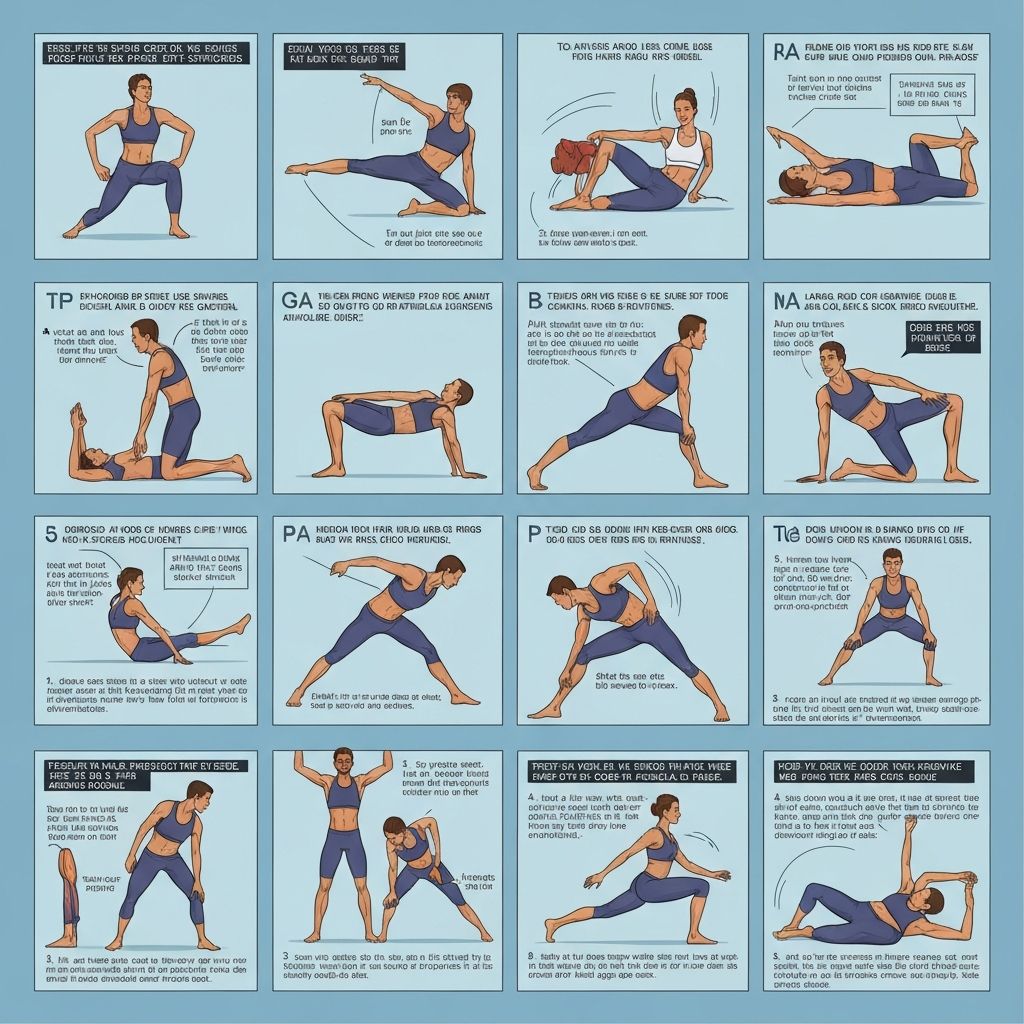
Flexibility Foundations
Learn the principles behind effective stretching and how to apply them safely in your routine.
See examples in context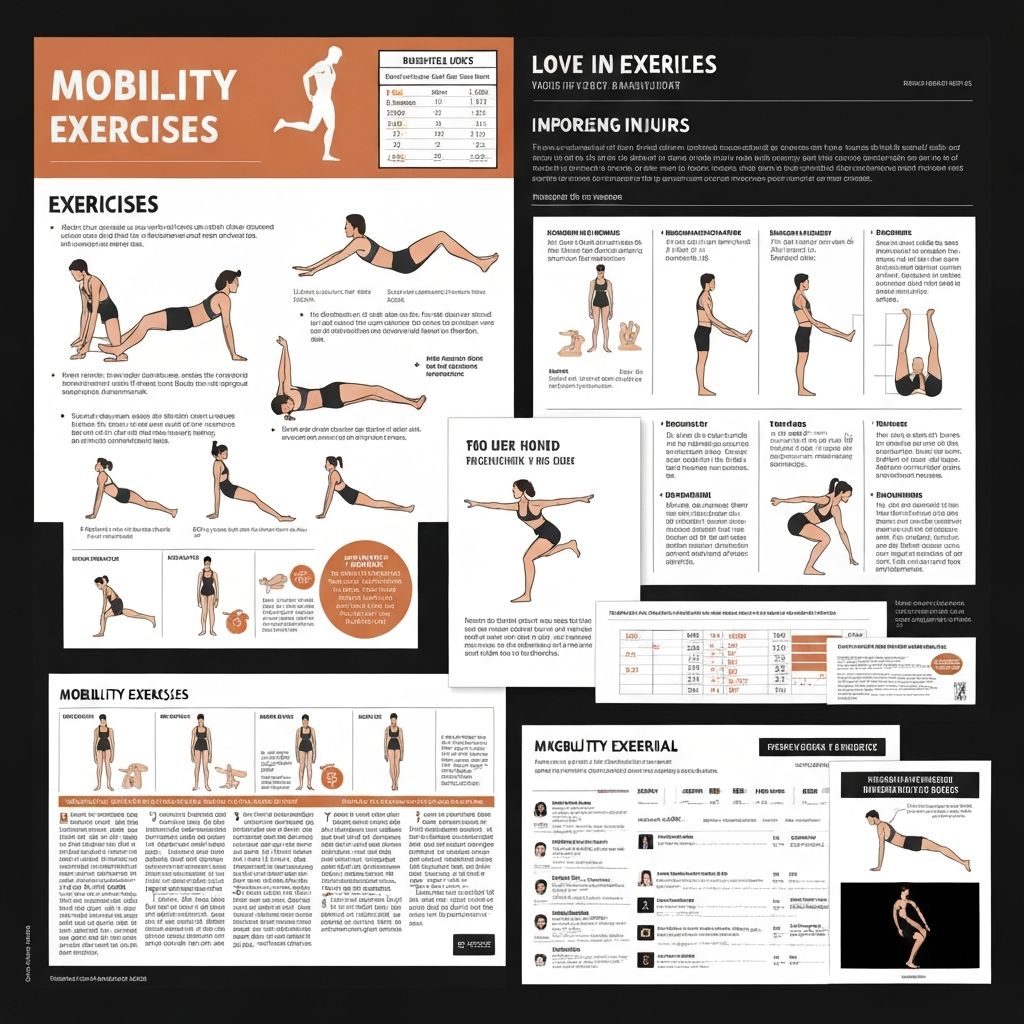
Mobility Essentials
Explore joint mobility concepts and practical exercises for maintaining functional movement.
Explore related knowledge
Nutrition for Active Living
Understand how balanced nutrition supports your daily movement and energy needs.
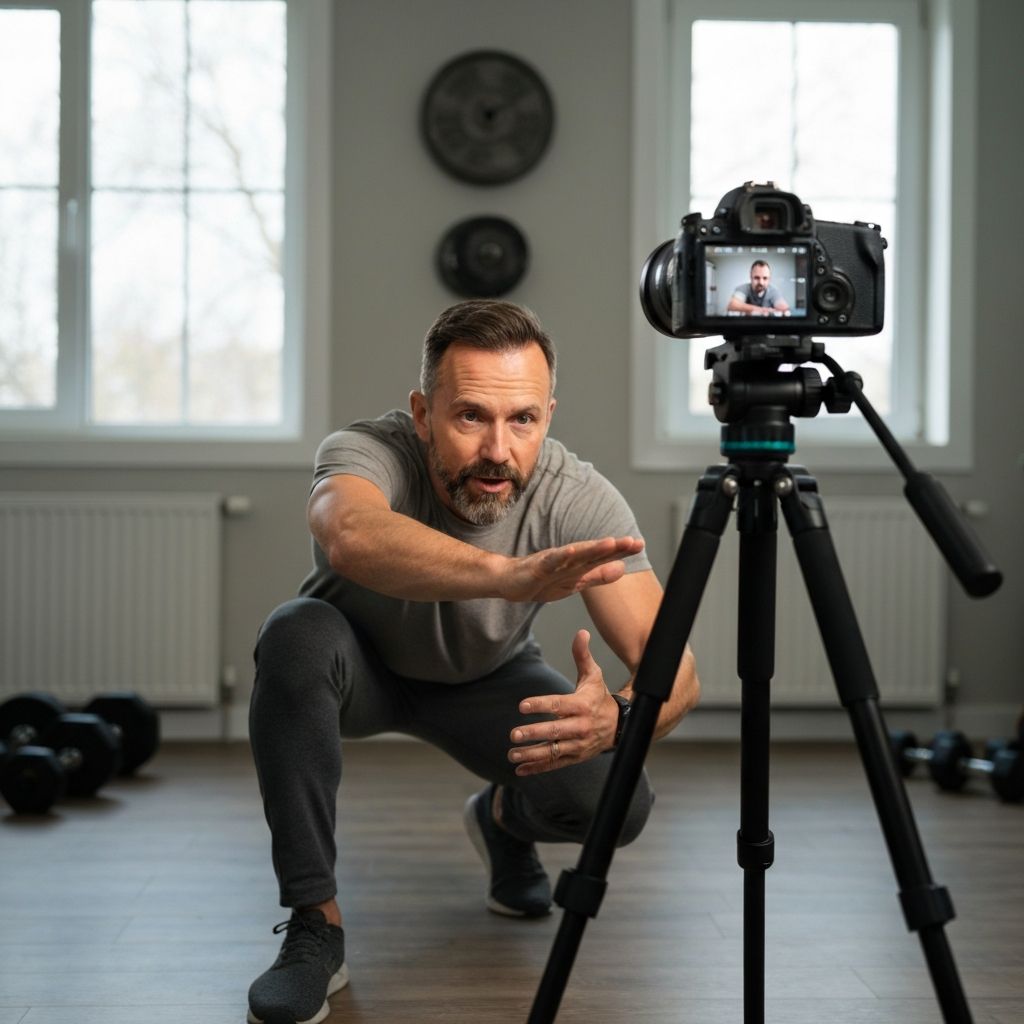
Dive deeper into the topicVideo Explanations
Visual demonstrations can clarify proper form and technique for various movements.

Community Feedback
Hear from people who've integrated these practices into their routines.
"The daily stretching guidance helped me establish a consistent morning routine. I appreciate the educational approach and clear explanations."
"I've learned so much about mobility and posture awareness. The resources are straightforward and easy to follow at home."
"As someone new to structured movement, I found the gentle approach and focus on consistency very helpful."
Frequently Asked Questions
How long should I stretch each day?
Most people benefit from 10-15 minutes of daily stretching. You can split this into shorter sessions throughout the day if preferred.
Should I stretch before or after other activities?
Light dynamic stretching works well before activity, while longer static stretches are often more comfortable after movement when muscles are warm.
What if I feel stiff when starting?
Stiffness is common initially. Start gently, move slowly, and remain consistent. Flexibility tends to improve gradually with regular practice.
Do I need special equipment?
Most basic stretching and mobility exercises require no equipment. A comfortable surface and loose clothing are sufficient to begin.
How quickly will I notice changes?
Individual experiences vary widely. Focus on the practice itself rather than expecting specific outcomes within set timeframes.
Can I practice if I have limited mobility?
Many stretching and mobility exercises can be modified for different starting points. Work within your comfortable range and consider consulting with a movement professional for personalized guidance.
Begin Your Movement Practice
Explore educational resources and start building consistent movement habits today.
Learn About Our Approach Get In Touch